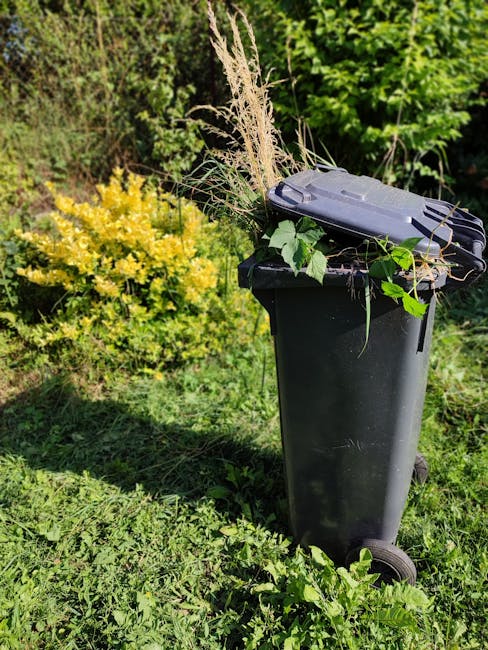
Southwark Council garden waste rules what to know Peckham
If you live in Peckham and you've just finished a weekend clear-up, the last thing you want is a pile of hedge clippings, grass cuttings, and old bedding plants turning into a headache. That's where understanding Southwark Council garden waste rules what to know Peckham becomes genuinely useful. The basics sound simple enough, but in real life the details matter: what can go in, how it should be presented, what to do with soil or big branches, and how to avoid wasting time with the wrong bin or bag.
This guide walks through the practical side of garden waste in Southwark, with a Peckham focus. You'll get a clear explanation of how the system usually works, what residents tend to get wrong, how to plan your garden jobs around collection habits, and when it makes sense to call in a professional. No fluff. Just the stuff you actually need when your green bin is full and there's still a shed load of pruning left to deal with.
- Why these rules matter in Peckham
- How garden waste collection usually works
- Key benefits of following the rules
- Who needs this information
- Step-by-step guidance
- Expert tips for cleaner, easier disposal
- Common mistakes to avoid
- Tools, resources and recommendations
- Law, compliance, standards and best practice
- Options and comparison table
- Real-world example
- Practical checklist
- Conclusion
- Frequently asked questions
Why Southwark Council garden waste rules what to know Peckham Matters
Garden waste is one of those things that looks harmless until it starts building up. A few trimmings become a wheelbarrow load, then suddenly there's a wet, awkward heap in the corner of the garden. If you're in Peckham, knowing the council's garden waste rules helps you keep that under control without creating extra mess, extra cost, or an accidental failed collection.
It also matters because garden waste is not the same as general household rubbish. A mix of leaves, twigs, clippings, and soil behaves differently from food waste or packaging. Put the wrong thing in the wrong container and you may end up with a collection left behind, or a bag that simply isn't accepted. To be fair, that's a frustrating way to spend a Tuesday morning.
There's a practical side too. Many Peckham gardens are compact, shared, or tucked behind terraces, so storage space is limited. If you understand the rules early, you can plan pruning, mowing, and tidy-up jobs around what the council will and won't take. That saves time, reduces lifting, and keeps pathways clear. And yes, it makes the garden look better faster, which is usually the point.
For many residents, the biggest benefit is predictability. Once you know the system, you can decide whether to use the council service, compost at home, or book help for larger seasonal clearances. That decision-making part is where most people either save time or create unnecessary hassle.
How Southwark Council garden waste rules what to know Peckham Works
Although service details can change, the core idea is usually straightforward: garden waste has to be presented in the way the council specifies, and only suitable organic garden material should be included. In plain English, that usually means the kind of waste produced by normal garden maintenance - think grass cuttings, leaves, weeds, small prunings, and plant trimmings.
What tends to catch people out is the difference between garden waste and garden rubbish. Broken plant pots, soil-filled rubble sacks, treated wood, and household junk are generally not the same thing as green waste. If your clear-up includes all sorts of bits and pieces, separate them before you put anything out. That one habit saves a lot of confusion.
In practice, the process often comes down to three questions:
- Is the material organic and from the garden?
- Is it presented in the right container, bag, or bin?
- Is it within the council's collection rules for that service?
If the answer to the first question is no, stop there and treat it as a different waste stream. If the answer to the second is no, fix the presentation before collection day. It sounds basic, but garden waste collections are very unforgiving about basic mistakes.
For Peckham households with regular hedge trimming or lawn care, it helps to stay on top of waste as you go. Small, repeated tidy-ups are far easier than one big end-of-month mountain. If you are already booking local help for routine garden maintenance, that is often the moment to think about waste handling as part of the job rather than an afterthought.
One more thing: if you're dealing with a larger clear-up after a storm, a long season of growth, or a neglected border, the rules may be the same but the volume changes everything. You'll want a plan before the cuttings start spreading across the patio like confetti. Not charming, really.
Key Benefits and Practical Advantages
Following garden waste rules is not just about "doing the right thing." There are real, everyday advantages for Peckham residents.
- Cleaner kerb appeal: Neatly managed waste makes the home feel cared for, even before you touch the planting beds.
- Less manual effort: Proper sorting means less rework and fewer awkward trips carrying heavy sacks.
- Fewer missed collections: When waste is prepared correctly, you reduce the chance of it being left behind.
- Better garden planning: You can schedule pruning, mowing, and seasonal clear-outs with more confidence.
- More sustainable habits: Organic waste is easier to compost or recover when it is kept separate from general rubbish.
There's also a quiet benefit that many people overlook: once waste handling becomes routine, your overall garden care gets easier. A lot easier. You notice where the hedge is encroaching, where the lawn is producing more clippings than usual, and where a corner bed might need a smarter planting choice. That sort of awareness is gold.
If you are trying to make your garden lower maintenance over time, a good starting point is practical planting and better structure. Articles like low-cost, low-maintenance garden ideas or ground cover plants for UK gardens can help reduce the volume of future clippings. Less waste in the long run. That's the dream, isn't it?
Who This Is For and When It Makes Sense
This topic matters to a wider group than you might think. It's not only for keen gardeners. If you live in Peckham and have even a modest outdoor space, these rules can affect you.
- Front and back garden owners: especially if you regularly prune shrubs, mow lawns, or clear leaves.
- Tenants with access to a garden: you may be expected to manage waste responsibly even if the landlord handles the big jobs.
- Shared homes and HMOs: waste can build up fast when several people use the same outdoor area.
- Busy households: if you do gardening in bursts rather than steadily, knowing the disposal rules saves time.
- People planning a garden refresh: a makeover nearly always creates more waste than expected.
It also makes sense to pay attention if you are about to book hedge work, a patio tidy-up, or a full seasonal maintenance visit. Garden waste is often the hidden part of the job. The pruning is visible; the disposal is what takes the time. If you're comparing support options, the page on hedge trimming in Peckham is a useful reminder that cutting and clearing usually go hand in hand.
And if you're not sure whether your own routine is manageable, ask yourself a blunt question: is your garden getting cleaned up, or are you just moving the mess from one corner to another? Happens more often than people admit.
Step-by-Step Guidance
Here's the simplest way to stay on top of garden waste in Peckham without making the process feel like a chore.
- Identify the waste type. Separate green waste from general rubbish, plastics, pots, rubble, and treated materials.
- Reduce volume first. Shake soil from roots, cut long stems down, and bundle manageable branches where appropriate.
- Use the correct container. Follow the council's required bin, sack, or presentation method for garden waste.
- Keep it light enough to handle. Heavy, compacted bags can split, and wet clippings become far heavier than expected.
- Store waste safely until collection. Keep it out of shared paths and away from anything that could get damaged by damp.
- Check timing before putting it out. Collection days, service schedules, and seasonal changes can affect when it should be presented.
- Escalate bigger jobs. If you have branches, roots, or repeated overgrowth, consider professional clearance rather than trying to brute-force it.
A small but important tip: do the sorting while you're still in the garden. Once everything is mixed in one heap, the job becomes slower and oddly more annoying. You know the feeling - one minute you're pruning, the next minute you're staring at a mysterious pile and wondering how a tiny border produced so much material.
If your outdoor area needs a reset before or after waste removal, it can help to look at broader support such as general gardening services or ongoing garden maintenance. Those services are useful when you want the garden to look finished rather than merely "less messy."
Expert Tips for Better Results
Good waste handling is really about habits. You don't need a complicated system; you need a repeatable one.
1. Tackle waste before it gets wet. Dry clippings are lighter, easier to move, and less likely to smell. Wet grass and soggy leaves compact quickly, which makes them awkward to lift and harder to fit into the right container.
2. Prune in stages. If a hedge or shrub needs a serious cut, don't wait until everything is overgrown. Smaller, regular cuts create smaller waste loads and are easier on the plant too.
3. Design for less waste. This is a surprisingly effective long-term move. Dense planting, ground cover, and structural shrubs can reduce bare-soil weed growth and seasonal tidying. For inspiration, you may find vertical planting strategies useful if space is tight.
4. Keep a "sort now, store later" corner. A small designated spot for temporary garden waste sorting can make collection day much smoother. Nothing fancy. Just a place where bags, branches, and pots don't get mixed together.
5. Match garden style to your time budget. If your schedule is already stretched, choose planting and maintenance choices that produce less ongoing waste. The article on gardening tips for beginners is a good reminder that simple systems are often the best systems.
In our experience, the gardens that stay easiest to manage are rarely the fanciest. They're the ones with a sensible rhythm: a little cutting, a little clearing, and no "I'll deal with it later" pile growing in the rain. Later has a habit of becoming a problem.
Common Mistakes to Avoid
Most issues with council garden waste are not dramatic. They are ordinary mistakes made in a rush.
- Mixing garden waste with general rubbish: this is probably the most common error.
- Including soil, rubble, or broken items: these usually belong in a different waste stream.
- Overfilling bags or bins: heavy loads are more likely to split, tip, or be rejected.
- Putting out waste too early: it can get wet, spread, or block shared space.
- Ignoring seasonal volume spikes: autumn leaves and spring growth can produce far more waste than expected.
- Forgetting access issues: collection crews need practical access, especially in narrow Peckham streets or shared housing setups.
Another subtle mistake is assuming all garden waste can be handled the same way. It can't. A pile of hedge trimmings behaves differently from a heap of clippings, and a load of roots is different again. If you're doing heavier work, think about the disposal before you start cutting. That simple pause can save a lot of back-and-forth.
Sometimes the answer is not "put more out." Sometimes the answer is "reduce the amount first." A small change there makes a big difference.
Tools, Resources and Recommendations
You do not need a shed full of expensive kit to manage garden waste properly, but a few basic tools make the whole process smoother.
- Rake: ideal for leaves, loose clippings, and collecting finer debris.
- Secateurs: useful for reducing awkward stems and making trimmings easier to bundle.
- Garden shears: handy for hedge and shrub cuttings that need neater sizing.
- Wheelbarrow or trug: saves repeated lifting and keeps paths clearer.
- Heavy-duty gloves: useful when handling thorny or damp material.
- Tarpaulin or sheet: very useful for collecting and moving loose waste without making a mess.
If you're planning a bigger clear-up, the right support matters as much as the right tools. A tidy-up can quickly become a bigger project when there are overgrown borders, tired fencing, or uneven hard landscaping in the way. For jobs that need more than routine maintenance, it can be useful to review options like landscaping support or, where branches are part of the issue, tree surgery.
And if your garden space is being reshaped after a few rough seasons, the article on protecting your green space from intense weather is a sensible companion read. Weather changes the waste pattern more than people expect. One windy weekend and suddenly the whole place looks like it's had a small argument.
Law, Compliance, Standards, or Best Practice
This part is less about formal legal drama and more about sensible local compliance. Council waste rules are usually designed to keep collections safe, predictable, and efficient. If you follow the published preparation requirements, you make life easier for yourself and for the crews collecting the material.
Best practice here is straightforward:
- Only place out the waste type the service is meant to collect.
- Use the container or presentation method required by the council.
- Do not contaminate green waste with prohibited materials.
- Keep collection areas accessible and safe.
- Check for updates if service arrangements change seasonally or operationally.
When guidance is unclear, the safest approach is not to guess. Garden waste systems can look similar from one borough to another, but the details differ. That's why people get caught out. A rule that works somewhere else in London may not apply in Southwark at all. The neatest habit is also the safest one: read, sort, present, and only then put it out.
If you are hiring help, ask whether waste handling is included in the work scope. That's standard good practice. It avoids the awkward moment where the garden looks brilliant but the cuttings are sitting there like an after-party nobody wanted.
Options, Methods, or Comparison Table
For most Peckham households, there are a few realistic ways to manage garden waste. The right choice depends on volume, time, garden size, and how often you work outdoors.
| Method | Best for | Strengths | Limitations |
|---|---|---|---|
| Council garden waste collection | Routine clippings, leaves, and standard green waste | Convenient and predictable when used correctly | Must follow presentation and contamination rules |
| Home composting | Small regular waste from everyday gardening | Reduces volume and supports soil improvement | Not ideal for everything, and needs space |
| Professional garden clearance | Big seasonal jobs, overgrown spaces, heavy cuttings | Saves time and reduces manual work | Usually best for larger or more complex jobs |
| Mixed DIY disposal trips | One-off jobs with different waste types | Flexible if you already have transport | Time-consuming and easy to get wrong |
If your garden is small and manageable, council collection plus a bit of composting may be enough. If it's been left alone for a while, or you're mid-makeover, professional support often becomes the calmer option. Not glamorous, perhaps, but very practical.
Case Study or Real-World Example
Imagine a typical Peckham terrace with a modest back garden: a patch of lawn, a narrow border, a hedge along one side, and a climber starting to take over the fence. Nothing dramatic, but after a spring tidy-up there's more waste than expected - lawn clippings, a few bags of weeds, trimmed stems, and some woody hedge cuttings.
The first attempt might be to cram everything into one sack. It sounds efficient. It isn't. The sack gets heavy, the green waste gets damp, and the hedge cuttings poke through the side. Then the householder spends extra time separating it all again, and the collection day is suddenly more stressful than the gardening itself.
A better approach is much simpler:
- Separate lawn cuttings from woody trimmings straight away.
- Bundle the hedge cuttings into smaller sections.
- Keep soil, pots, and broken bits out of the green waste pile.
- Store everything neatly until the right collection day.
The result is calmer, cleaner, and quicker. The garden looks sorted, the waste is more likely to be accepted, and the whole process feels less like a battle with bags. This is usually how good garden management works in real life: not by doing more, but by doing the right things in the right order.
For households that keep up with regular pruning and seasonal care, that tidy rhythm becomes second nature after a while. You cut, sort, present, and move on. Simple, really. Well, simple once you've learned it.
Practical Checklist
Use this before your next garden clear-up in Peckham:
- Have I separated garden waste from household rubbish?
- Have I removed soil, rubble, pots, and treated materials?
- Is the waste suitable for the council's garden waste service?
- Have I used the correct bin, bag, or container?
- Is everything light enough to handle safely?
- Have I broken larger trimmings into manageable sections?
- Is the collection area clear and easy to access?
- Have I checked the collection day or service timing?
- Would composting help reduce this load next time?
- Do I need professional help for a larger or more awkward job?
If you can tick most of those off, you're in good shape. If not, no panic. Garden waste systems are easier once you've done them a couple of times. And if the job is simply too big, that's not failure - that's just a sign to choose the smarter route.
Get a free quote today and see how much you can save.
Conclusion
Understanding Southwark Council garden waste rules what to know Peckham is really about making garden care simpler, tidier, and less stressful. When you know what belongs in the green waste stream, how it should be presented, and when a bigger job needs extra help, you take a lot of the friction out of garden maintenance.
That matters whether you're trimming a hedge, clearing autumn leaves, or dealing with a full seasonal reset after months of growth. A little structure goes a long way. And once your system is in place, the garden starts feeling manageable again instead of always one step away from chaos. That's a good feeling, honestly.
If you want to stay ahead of waste rather than chase it, build the habit into your routine, keep the right tools nearby, and don't be afraid to get help on the heavier jobs. Your future self will thank you. Probably while enjoying a much neater garden.
Frequently Asked Questions
What counts as garden waste in Southwark?
Garden waste usually means organic material from normal garden work, such as grass cuttings, leaves, weeds, hedge trimmings, and small plant cuttings. Items like pots, rubble, and general rubbish are usually not included.
Can I put soil in my garden waste bin?
Soil is often treated differently from green garden waste. In many cases it is not accepted with standard garden waste, so it should be checked separately before you mix it in.
What should I do with large branches or woody cuttings?
Large or woody material can be awkward in a standard green waste setup. It is usually better to cut it down into manageable sizes or arrange a different solution if the amount is significant.
Do I need to separate weeds from grass cuttings?
Usually not, if both are acceptable green waste and presented correctly. The bigger issue is keeping them separate from non-organic items and heavier waste streams.
Can garden waste be mixed with food waste or household rubbish?
No, it should not be mixed. Keeping garden waste separate helps avoid rejected collections and makes the system work properly.
What happens if I put the wrong items in the garden waste collection?
The collection may be left behind, or the wrong material may need to be removed before it can be taken. It can also create delays and extra hassle for you and the collection team.
Is composting better than council collection?
It depends on your space and how much waste you produce. Composting is excellent for small regular amounts, but council collection or professional help may be more practical for bigger jobs.
How often should I clear garden waste in Peckham?
That depends on the season and the size of your garden. Small, frequent tidy-ups are usually easier than letting everything build up for weeks at a time.
Do I need professional help for garden waste removal?
Not always. But if the garden is overgrown, the waste is heavy, or you are short on time, professional support can be the simpler and safer option.
What's the easiest way to avoid mistakes with garden waste rules?
The easiest way is to sort waste as you go, keep non-garden materials out of the pile, and check the council's current guidance before collection day. A few extra minutes saves a lot of mess later.
Can a garden make too much waste for one collection?
Yes, especially after pruning, seasonal clear-outs, or neglected growth. In that case, it is often better to split the work into stages or arrange additional help.
Where can I get help with bigger garden jobs in Peckham?
If your waste is part of a wider clear-up, support pages such as garden maintenance, hedge trimming in Peckham, and contact options can be a sensible next step when planning the job.