Peckham gardeners guide to small front garden makeovers
Small front gardens can do a lot of work. They welcome guests, soften brickwork, frame a doorway and, if you get them right, make a whole house feel more cared for. That is exactly why a thoughtful Peckham gardeners guide to small front garden makeovers matters: in a compact space, every plant, paving line and storage choice has to earn its place. The good news? You do not need a huge budget or a massive plot to make a front garden feel brighter, tidier and more inviting. You just need a clear plan, a realistic eye, and a few design decisions that suit Peckham's mix of terraces, semis and busy urban streets.
In this guide, we'll walk through practical makeover ideas that work in real life, not just in glossy magazine photos. You'll find layout advice, planting suggestions, low-maintenance options, and a sensible step-by-step process you can actually use. If you want professional help, you can also explore garden support tailored to local homes or check pricing and quotes once you have a rough idea of the scope. Let's get into it.
Table of Contents
- Why small front garden makeovers matter in Peckham
- How a small front garden makeover works
- Key benefits and practical advantages
- Who this is for and when it makes sense
- Step-by-step guidance
- Expert tips for better results
- Common mistakes to avoid
- Tools, resources and recommendations
- Law, compliance, standards and best practice
- Options, methods and comparison table
- Case study or real-world example
- Practical checklist
- Conclusion
- Frequently Asked Questions
Why Peckham gardeners guide to small front garden makeovers Matters
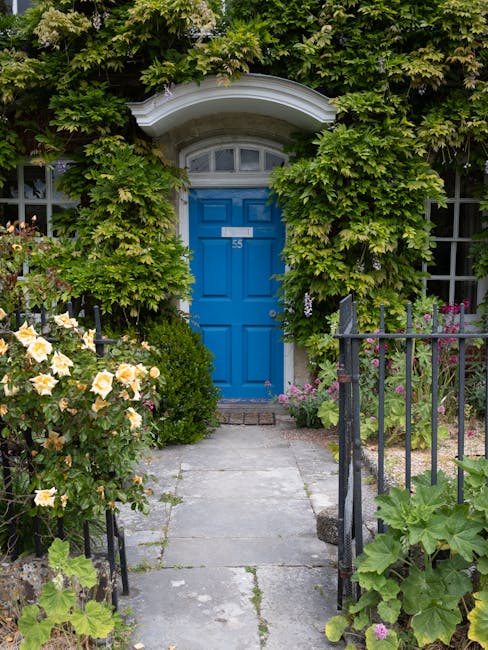
A front garden is not just decoration. It is the first thing people see, and in a busy London neighbourhood that first impression can carry real weight. A neat, well-planted frontage can make a house feel calmer, more welcoming and better maintained before anyone even steps through the door. In Peckham, where many homes have compact front plots, narrow paths or a mix of hard landscaping and planting, the challenge is making the space feel generous rather than cramped.
That is why a practical small front garden makeover is so valuable. The aim is not to cram in as much as possible. It is to shape a space that looks intentional. You want the planting to frame, not fight. You want paving and edging to create structure. And, if you need privacy from the street, you want screening that feels light rather than heavy. A good makeover can even make a front garden look bigger than it is. That bit surprises people, but it happens all the time.
There is also a maintenance angle. A front garden is often the part of the property that gets seen most, but looked after least. People walk past it, cars throw dust across it, and winter weather tends to expose every messy edge. A tidy makeover reduces the little jobs that keep piling up. Less weed fighting. Less awkward pruning. Fewer damp corners collecting debris. You can breathe a bit easier, honestly.
For many households, the front garden is also the place where design has to meet everyday life: bins, bicycles, deliveries, pet access, rain, shade and sometimes awkward sightlines. A smart makeover balances all of that. If you want to see how these ideas fit into a wider property refresh, it can help to start with where a garden makeover project begins and then narrow down the details that suit your frontage.
How Peckham gardeners guide to small front garden makeovers Works
A good makeover starts with a question: what must this space do? A tiny front garden may need to look attractive, stay low-maintenance, add some privacy, provide a route to the door, and still leave room for a wheelie bin or a bike. Once you know the job, the design becomes far easier.
Most successful makeovers follow the same basic pattern:
- clear clutter and simplify the layout
- set a strong boundary or edge
- choose a planting style that suits light, shelter and maintenance levels
- add one or two focal points, not five
- finish with details such as mulch, gravel, containers or lighting
Think of it as layering. Structure first, plants second, personality last. If you reverse that order, you usually end up with a front garden that looks busy but not better. A lot of people fall into that trap, especially after a weekend trip to the garden centre. The result? Three ornamental grasses, two roses, a bench, a lantern and a planting plan that nobody can maintain. We've all seen it.
In Peckham, conditions often vary from one frontage to the next. One house may be south-facing and fairly exposed; another may sit in partial shade, with the upper floor of the house or a nearby tree limiting sunlight. That is why small front garden makeovers should be site-led, not trend-led. If you need help choosing plants for shade, the guide to evergreen climbers for shady corners is a smart place to look. If you are dealing with a more exposed plot, protecting gardens from heavy winds becomes relevant very quickly.
Key Benefits and Practical Advantages
There are plenty of reasons to invest in a small front garden makeover, and they go beyond appearance.
- Better kerb appeal: A cleaner layout, sharper edges and healthy planting instantly improve the way a home presents itself.
- Less upkeep: Replacing messy beds with robust planting, hardwearing edging or ground cover can reduce weekly chores.
- More usable space: A thoughtful layout makes narrow gardens feel less awkward and more functional.
- Improved privacy: Low hedging, climbing plants and layered screening can soften views from the street.
- Better drainage and resilience: Using the right materials helps the garden handle rain, frost and wind a bit more gracefully.
There is another benefit people often underestimate: confidence. When the front garden looks tidy, the whole house feels more settled. That can change how you feel when you come home at the end of a long day, especially on a grey evening when the pavement is wet and the path lights are on. It sounds small. It is not small.
Practical design choices can also support sustainability. For example, replacing bare soil with suitable ground cover can cut down on weeds and help the garden hold moisture. If you want ideas for that approach, have a look at ground cover plants for UK gardens. And if you are planning a more vertical feel for a tight frontage, vertical planting strategies can help you gain impact without taking over the floor area.
Who This Is For and When It Makes Sense
This kind of makeover suits a lot of people, but especially those with limited space and a clear need to tidy up the front of the property.
- Homeowners who want a better first impression without a full landscape rebuild
- Buyers or sellers who need to improve kerb appeal before viewings
- Busy households looking for lower-maintenance planting and fewer weekend chores
- People with shady, windy or awkwardly shaped front gardens
- Landlords wanting a neat, durable frontage that tenants can manage
It also makes sense when the space has got a bit away from you. Maybe the hedge is overgrown, the path has become stained, the border is patchy and the whole thing feels like a series of compromises. In that situation, a redesign is often easier than trying to rescue each small problem in isolation. Sometimes you need to step back and reset the entire layout.
If the front garden is also part of your routine maintenance burden, you may want to combine the makeover with ongoing garden maintenance so the improvements actually stay looking good. If the hard surfaces need attention too, patio cleaning can make a surprising difference to the overall finish.
Step-by-Step Guidance
Here is a clear process that works well for small front garden makeovers.
- Assess the space properly. Measure the frontage, note sun and shade, and identify the parts that cause frustration: poor drainage, tired paving, too much clutter, or planting that never looks right.
- Decide what should stay. A mature shrub, a healthy hedge or a good-quality path may be worth keeping. Not everything old needs removing. That said, some things do need to go.
- Clear and tidy the structure. Remove weeds, dead growth, broken edging and anything that blocks the sightline or makes the space feel cramped.
- Set the edges. Crisp boundaries between path, bed and lawn give instant order. Edging can be simple but it needs to be clean.
- Choose your planting style. Go for one main theme: evergreen and structured, soft and cottage-style, modern and architectural, or low-maintenance and textural.
- Layer plants sensibly. Put taller plants toward the back, medium plants in the middle and low plants or ground cover at the front. It sounds obvious, but it is where many front gardens go wrong.
- Add a focal point. This might be a container pair by the door, a small tree, a clipped shrub or a neat seating spot if space allows.
- Finish with mulch or decorative surfacing. This helps reduce weeds and gives the scheme a polished look.
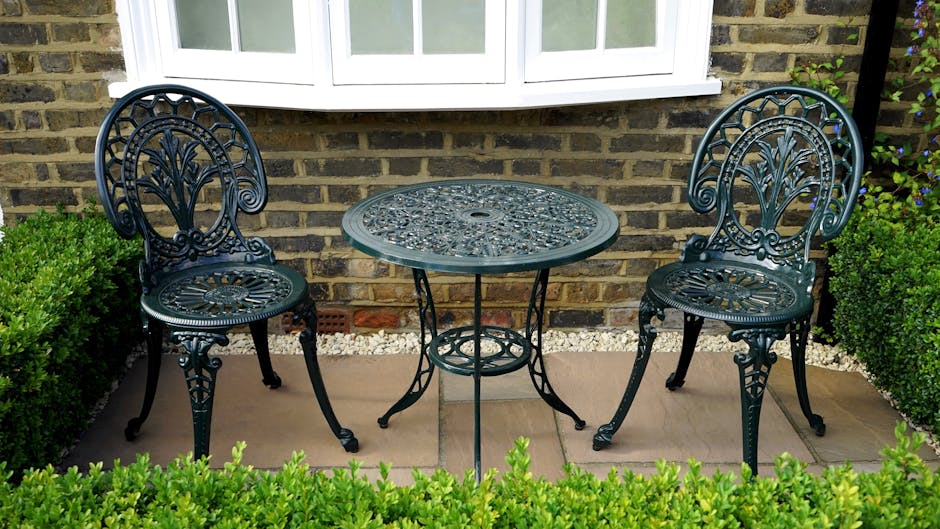
One useful rule: do not make every feature shout. Let one or two elements carry the design. If you want a more practical, compact solution, container gardening can work beautifully in a front garden because containers are flexible, tidy and easy to refresh seasonally.
For homes that need a privacy layer from the street, hedging is often better than a solid fence because it feels softer and more living. A neat hedge can frame the entrance without turning the front into a box. You can explore fast-growing hedges for enhanced privacy and also read about hedge trimming in Peckham if you want a sharper finish once things are established.
Expert Tips for Better Results
Small front gardens reward restraint. That's the headline. Here are the details.
- Keep the palette narrow. Two or three main plant colours usually look more sophisticated than six competing ones.
- Repeat shapes. Repeating rounded shrubs, repeated containers or repeated edging materials creates calm.
- Use evergreens for structure. Front gardens look better year-round when they are not dependent on flowers alone.
- Think about view from the street and from the door. A garden should work both ways. You see it leaving the house and returning to it.
- Match the maintenance level to real life. If you are away often, choose robust planting and simpler finishes.
A small trick that helps a lot: lift plants slightly above surrounding soil with raised edging or containers, especially near a doorway. It gives the garden definition and keeps the planting from looking flat. Another one is to use vertical interest. A narrow climbing support, trellis or wall-mounted planter can draw the eye upward and make the garden feel taller. A lot of urban front gardens in Peckham benefit from that.
If your garden gets battered by weather, build resilience in from the start. Read how to protect green spaces against intense weather and, for winter care, keep winter plant protection strategies in mind. Early preparation is cheaper than repairing damaged planting later. Usually.
Common Mistakes to Avoid
Small front gardens are unforgiving. A few bad choices show up quickly.
- Overplanting: Too many species makes a small space feel busy and awkward.
- Ignoring scale: A giant shrub can swallow a modest frontage in one season.
- Choosing high-maintenance plants by accident: Beautiful does not always mean suitable.
- Leaving weak surfaces in place: Cracked paths, dirty slabs and ragged edges drag everything down.
- Forgetting drainage: A lovely design is not very lovely if water sits near the door after rain.
- Blocking access: A narrow front route needs to remain practical for daily use.
Another common one: trying to force the space into a style that does not suit the house. A classic Victorian frontage usually wants different treatment from a modern rendered property. Similar rules apply to terraces, bay-windowed homes and corner plots. The architecture matters more than people sometimes think.
If weeds are part of the problem, sort them early rather than letting them define the makeover. A useful starting point is simple weed control tips. And if you are tempted to cut corners by leaving the lawn in poor shape, remember that a bad lawn can make a front garden look unfinished even when everything else is in place.
Tools, Resources and Recommendations
You do not need a van full of kit, but a few reliable tools make the job much easier.
- sturdy gloves and pruning shears
- a hand fork and trowel for planting
- spade or border spade for shaping beds
- edging tool or sharp half-moon tool for neat lines
- hose, watering can or irrigation setup for new planting
- mulch, compost and topsoil as needed
- containers, trellis or lightweight supports if you want vertical structure
If you are just getting started, it helps to follow a simple learning path. For basics, beginner gardening tips can give you a steadier foundation. If you want a more organised approach to your overall setup, the guide on essential gardening tools is worth a look.
For front gardens that need to do a few jobs at once, think in layers and zones:
- Entry zone: clear, open and welcoming
- Display zone: the area that carries the visual impact
- Service zone: space for bins, meters or practical access
That kind of zoning keeps the design honest. It stops a pretty frontage becoming impractical after the first wet week.
Law, Compliance, Standards and Best Practice
For most small front garden makeovers, the main legal and practical issues are fairly straightforward, but they should still be respected. In the UK, if you are altering fences, hedges, drainage, access routes or anything close to a boundary, it is wise to check ownership and any neighbour concerns before you start. A polite conversation at the start can prevent an awkward one later. Nobody enjoys boundary disputes over a shrub, let's be honest.
If you are planning work near utilities, walls, steps or pathways, safety matters. Use sensible equipment, keep access clear and do not overload poor-quality surfaces. Where larger shrubs or small trees are involved, professional pruning may be the safer option, especially if cuts are near windows, overhead lines or shared boundaries. In those situations, services such as tree surgery can be more appropriate than a quick DIY trim.
Good practice also includes making the garden accessible and safe for day-to-day use. Paths should be stable and not overly slippery, especially where rain and shade combine. Plant choices should not create hazards near entrances or narrow walkways. If children or pets use the space, avoid spiky or irritant plants close to the front path and keep structural items secure. For a broader view of site safety and service expectations, you can read insurance and safety guidance and the company's health and safety policy.
If you are hiring help, it is also sensible to understand terms, payment handling and how disputes are managed. That is not glamorous, but it is part of a trustworthy project. The relevant support pages include terms and conditions, payment and security and complaints procedure. For background on the business itself, about us is a sensible place to start.
Options, Methods, or Comparison Table
There is no single correct way to redesign a small front garden. The best method depends on how much time you want to spend maintaining it and how much structure you want from the space. Here is a simple comparison.
| Approach | Best for | Strengths | Trade-offs |
|---|---|---|---|
| Container-led makeover | Very small spaces, renters, quick refreshes | Flexible, tidy, easy to replace seasonally | Needs watering and can look sparse if underdone |
| Evergreen structured border | Homes needing year-round order | Stable shape, low clutter, polished appearance | Can feel formal if overused |
| Mixed planting with focal feature | Owners who want character and softness | More personality, good seasonal interest | Requires a steadier maintenance rhythm |
| Hardscape-led refresh | Problem plots with worn surfaces | Improves function, access and neatness fast | Can feel stark without planting balance |
If you are leaning toward a softer, more planting-led result, it is worth combining structure with seasonal colour. A few carefully chosen blooms near the entrance can change the tone of the whole frontage. For a bit of inspiration, flowering houseplant ideas and low-cost low-maintenance ideas can help you think beyond the obvious.
Case Study or Real-World Example
Here's a realistic example from a typical Peckham frontage. The garden was narrow, with a short path to the front door, patchy soil either side, one tired shrub and a fence that had become the visual focal point for all the wrong reasons. The owners wanted the house to feel friendlier from the street, but they did not want a garden that demanded constant attention.
The makeover plan was simple. The overgrown shrub was reduced and reshaped. The border was edged cleanly. Two strong containers were placed by the entrance to anchor the view. A small evergreen structure plant was added for year-round form, and ground cover was introduced in the less useful patches to reduce bare soil. The old visual clutter disappeared almost immediately.
What changed most was not just the look, but the feeling. The front of the house stopped looking like a problem to be managed and started looking like part of the home. That is the real goal. Not perfection. A home that feels looked after.
For a similar approach, people often combine front garden work with hedge shaping or border repair. If that sounds familiar, you may find expert hedge trimming methods useful, especially where a hedge is doing double duty as boundary and design feature.
Practical Checklist
Use this checklist before you start, or before you sign off a finished front garden makeover.
- Have I measured the space and noted sun, shade and exposure?
- Do I know what needs to stay, what needs to go, and what needs repairing?
- Have I chosen a clear style rather than mixing too many ideas?
- Will the planting suit the amount of time I can realistically spend on maintenance?
- Are paths, edges and surfaces safe, neat and easy to use?
- Have I allowed room for bins, access and everyday movement?
- Do I have at least one strong focal point?
- Have I considered privacy, wind and winter weather?
- Will the garden still look good in colder months?
- Do I know who to contact if I need help with specialist work?
If you are checking off several of those points and still feel unsure, that is normal. Small gardens can be oddly tricky. They are little, but they are demanding little spaces.
Get a free quote today and see how much you can save.
Conclusion
A small front garden makeover in Peckham does not need to be grand to be effective. In fact, the best results usually come from simple, confident choices: cleaner boundaries, better planting, one or two focal features and a design that respects the realities of the site. When those elements work together, a compact frontage can feel much more welcoming and much easier to live with.
Start with the basics, keep the plan realistic, and do not be afraid to remove things that no longer serve the space. That bit of courage matters. A front garden is often the first hello your home gives the street, and a well-made one says a lot without trying too hard. If you would like practical help turning that idea into a proper plan, it is worth taking the next step while the project is fresh in your mind.
And if all you do this week is tidy the edge, choose one strong plant and clear the path, that is still progress. Good gardens are built in layers, not in a rush.
Frequently Asked Questions
What is the best layout for a small front garden in Peckham?
The best layout is usually simple and structured: a clear path, tidy edging, a small planting zone and one focal feature. The exact layout should follow the shape of the house and how you use the space every day.
How do I make a small front garden look bigger?
Use clean lines, a limited plant palette, repeated shapes and vertical interest. Avoid cluttered planting and oversized features. A narrow garden often feels larger when the eye can move through it easily.
What plants work best for a low-maintenance front garden?
Evergreens, tough shrubs, ground cover and well-chosen containers are often the easiest to manage. The right plants depend on shade, exposure and soil conditions, so it is worth matching the planting to the site rather than guessing.
Should I use gravel, paving or planting in a small front garden?
Usually a mix works best. Too much hard landscaping can feel stark, while too much planting can become difficult to maintain. A balanced blend of paving, edging and planting tends to be the most practical.
Can a small front garden improve kerb appeal?
Yes, very much so. A neat, well-designed frontage improves the overall impression of the property straight away. Even modest changes like edging, pruning and a couple of smart containers can make a noticeable difference.
How often should a front garden be maintained after a makeover?
That depends on the design, but most small front gardens benefit from light, regular attention. A little time each week usually prevents the kind of buildup that turns into a bigger job later.
Is a hedge better than a fence for privacy?
It depends on the style and level of privacy needed. Hedges look softer and more natural, while fences are more immediate and solid. For many front gardens, a low hedge or mixed boundary planting offers a better balance.
What should I avoid in a small front garden redesign?
Avoid overplanting, oversized shrubs, awkward decorative clutter and poor-quality surfaces. Also avoid designs that ignore drainage or block access. A front garden has to work as hard as it looks good.
Do I need professional help for a front garden makeover?
Not always, but professional help can save time and prevent costly mistakes, especially where pruning, layout changes, hedge shaping or hard landscaping are involved. If you want a polished result, expert input is often worthwhile.
What is the most budget-friendly way to refresh a front garden?
Start with clearing, edging, weeding and a small number of well-chosen plants or containers. You do not have to redesign everything at once. A staged approach is often the most affordable and least stressful route.
How do I choose the right plants for shade or windy conditions?
Look at what the garden actually experiences across the day and through the seasons. Shade-loving plants need different treatment from exposed ones. If your frontage is tricky, choose plants that suit the conditions rather than trying to force a style.
Can a front garden makeover help with property value?
It can support the overall presentation of the home, which matters when buyers first arrive. While it is not the only factor, a well-kept front garden can help a property feel more cared for and more appealing.